
Mold Remediation
Containing mold growth comes first in mold remediation, followed by removal, cleaning and correction of the moisture problem that allowed it.
See mold remediationThe affected space, ease of access, material types, containment plan, drying, and repairs all shape cost. Look at the entire scope.
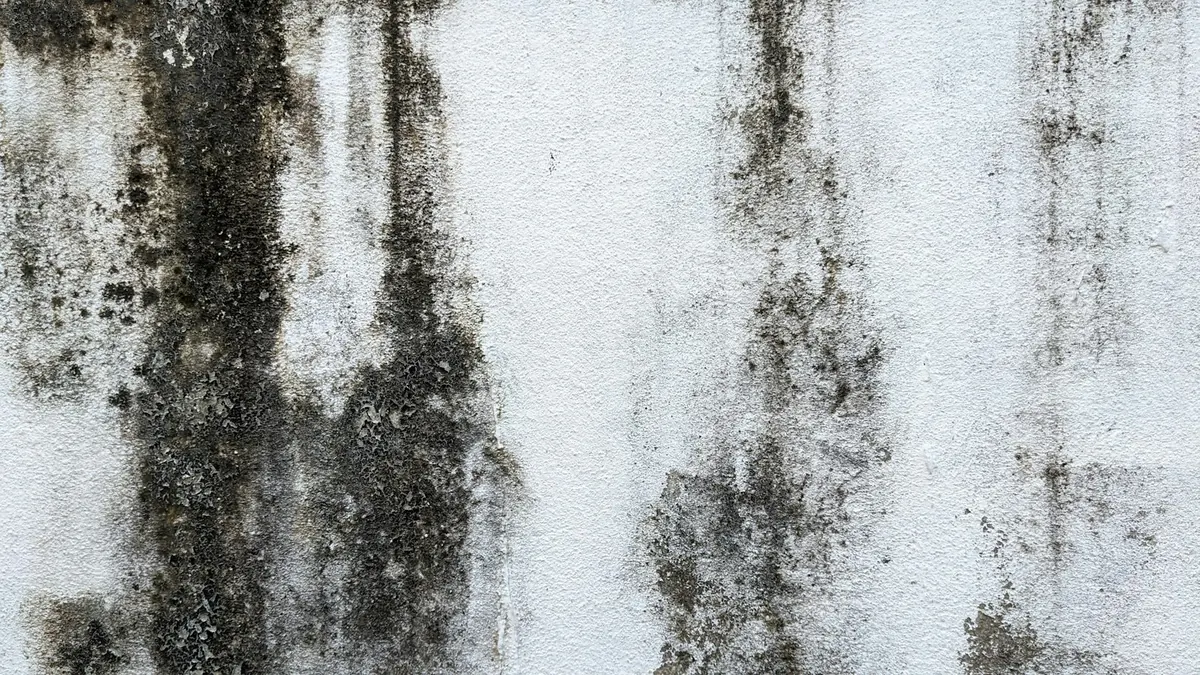
Your quoted cost may cover evaluation, isolation of the work area, removal, cleaning, drying, and verification. Fixing the source of water or rebuilding can be separate.
Square footage is only part of the cost. Ease of access matters too, since an exposed hard surface requires less work than mold hidden behind a cabinet, under the floor, or in a wall cavity.
Look for a work scope that names the impacted space, isolation measures, material decisions, cleanup method, source of moisture, drying approach, verification, and repairs priced separately.
Choose an independent assessor for clearance testing instead of the removal company.
Your comparison should cover drying, square feet, testing, rebuild responsibility and removal limits.
Identify the moisture source, correction and drying readings.
Check where poly sheeting fits beside HEPA cleaning and negative air pressure.
Access and material type can change price.
Do not run equipment you suspect. EPA says an affected system could spread mold. Get it checked before operation.
A basement, crawl space or other lower level may have tight access. Ask for distinct listings of drainage and structural work.
Removal may be needed for porous drywall, carpeting and insulation. The rebuild includes added demolition and replacement work.
Low clearance and insulation may slow attic work. List roof repair costs separately.
Separate containment may be necessary for multiple rooms. Price follows affected square feet, not house size.
Record conditions, then control the water safely.
Call (844) 352-3560Fixr reports $1,500 to $9,000 nationally. For professional work when an area exceeds about 10 square feet, it lists a rate between $10 and $30 for each square foot. The $1,200 to $3,750 range from This Old House uses figures credited to Angi. Treat them as planning figures instead of a quote for this property.
Published national cost guides are the source of these ranges, rather than an inspection of your property. Before work begins, you should get an explanation of the property price determined through an on-site assessment.
Ask about cost: (844) 352-3560The policy and cause of the water event control coverage. Confirm record requirements, deductibles, and limits.
Under California's housing law, visible mold found by a health officer or code enforcement officer can make a rental substandard. Renters can contact their local health or code enforcement department to ask for an inspection. Retain your messages and pictures of leaks, repair work and access.
Long-term leakage can differ from a sudden broken pipe. Your policy determines coverage.
Find out if the event has coverage, if a mold sublimit applies and which records you need.
California's Toxic Mold Protection Act includes a landlord written-disclosure section (Health and Safety Code 26147). By its own wording it applies only after the state adopts mold exposure standards, and the state health department has said it could not set them. Keep the scope, photos, readings, invoices and repair records.
The work and its cost change at each stage.
Note observed conditions and moisture readings. A specific purpose should guide air sampling.
Poly sheeting separates the area. The air filtration device directs air movement.
Your work scope should align with demolition, removal limits and protective equipment.
Use a HEPA air scrubber to filter air inside containment. Price changes with equipment run time.
Unsavable porous materials must come out. Clean sound surfaces by damp wiping after using a HEPA vacuum.
A dehumidifier or air movers support drying. Fix the leak so you do not get new growth.
Following final cleaning, an independent assessor should conduct clearance testing.

Call any hour. Your call reaches a mold removal cost specialist who hears your concerns and explains the process ahead.
DIY cleaning is a poor fit for a large area, contaminated water, HVAC involvement or hidden growth.
Using poly sheeting with negative air pressure limits particles to the work zone.
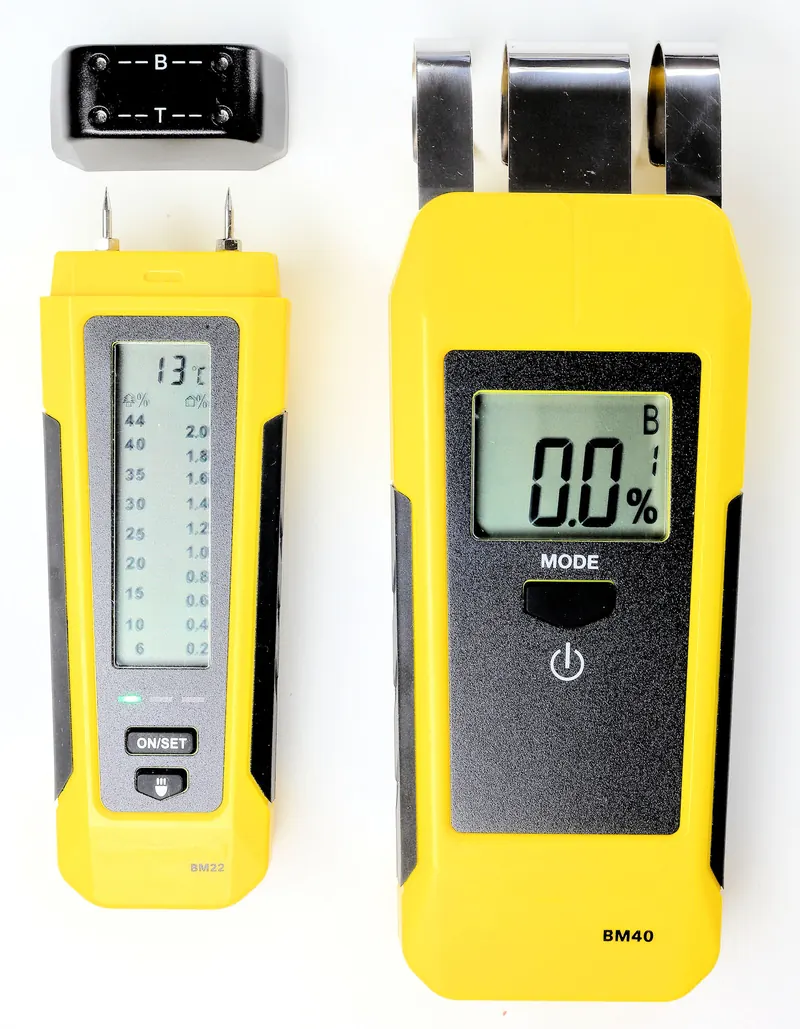
Use a moisture meter to guide checks. Thermal imaging displays heat patterns, not mold.
EPA calls for professional help after sewage or contaminated water. The source affects material decisions.
Allergy and asthma symptoms can be triggered by mold. Greater risk applies to people with weak immune systems, lung disease or asthma.
Can you clean it yourself? EPA says an area under about 10 square feet can often be cleaned after moisture correction. Larger areas, HVAC, sewage and contaminated water need professional help.
Porous material may have to come out and be rebuilt, while cleanable hard surfaces may remain.

Moisture correction and drying affect the schedule. So do removal, containment, and access needs.
You may notice a musty odor from damp material or concealed growth, but odor does not measure the affected area. Fragrance will not fix moisture.
According to EPA guidance, relative humidity should stay below 60 percent and ideally from 30 to 50 percent. A dehumidifier helps, but leaks still need repair.

California has no state license or certification for mold assessors or remediators, according to the California Department of Public Health. General construction work above a small dollar amount does need a license from the Contractors State License Board (CSLB), so it is worth checking a contractor's license there and asking about their mold training. Find out which permits cover rebuilding, electrical work or demolition.
EPA guidelines call for drying water-damaged items and areas within 24 to 48 hours as a way to prevent mold growth.
The federal government has not set a limit for indoor mold levels. Air sampling needs a stated question to answer.
The California Department of Public Health (CDPH) Air Quality Section publishes mold and dampness guidance and a mold FAQ. CDPH says visible mold, dampness, and mold odor are unhealthy and should be fixed, and that routine mold testing is not needed when mold is visible. Request guidance on rules for your property and planned project.
You can find mold removal cost throughout the city and in nearby communities.
Containing mold growth comes first in mold remediation, followed by removal, cleaning and correction of the moisture problem that allowed it.
See mold remediation
During mold cleanup, affected surfaces and materials are cleaned, damaged items are bagged and the area is made ready for repairs.
See mold cleanup
Another term for mold removal is mold abatement, which involves isolating the space before taking out contaminated materials.
See mold abatement
Workers first use a mold inspection to find the affected areas and then remove and clean the growth.
See mold inspection and removal
Residential mold removal addresses growth in condos and houses, whether one room or multiple spaces need attention from a local crew.
See residential mold removal
With mold damage restoration, mold is removed first, then affected drywall, floors, insulation and other materials are fixed or replaced.
See mold damage restoration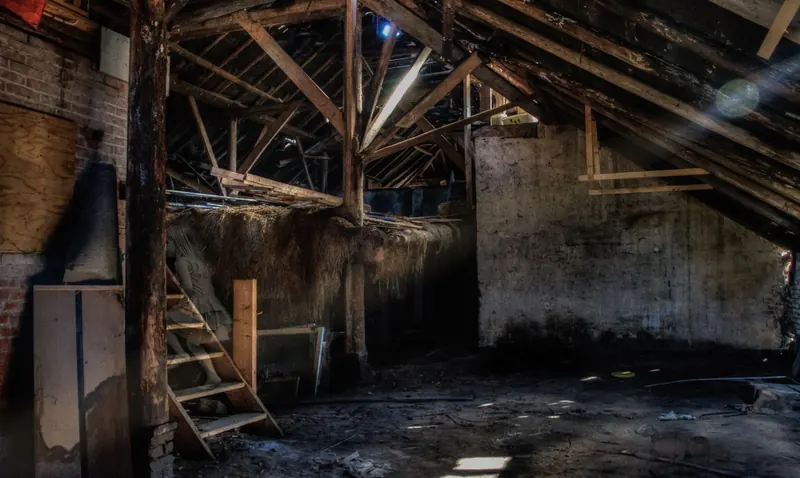
Through attic mold removal, a crew cleans insulation, roof sheathing and rafters and points out the airflow problem or leak behind the growth.
See attic mold removal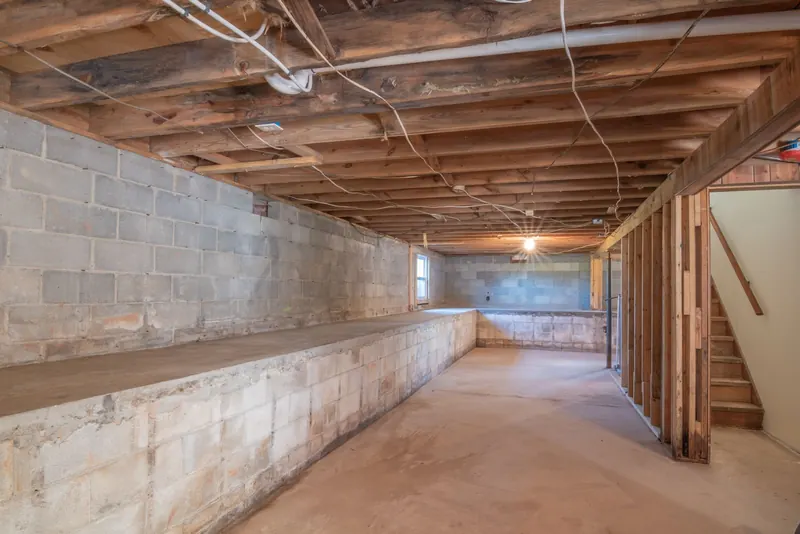
During basement mold removal, growth is cleaned from stored items, framing, walls and flooring and the moisture behind it is addressed.
See basement mold removalA calculator offers a general price range without seeing wet insulation, the moisture source, hidden mold colonies or access limits. Use it only during early planning. A property-specific scope should define affected materials, containment, drying, testing and repair responsibility.
The price can include labor, containment, protective equipment, air filtration, demolition, bagging, HEPA vacuum work and drying. More work is needed when access is difficult or drywall, insulation or flooring requires replacement. A useful quote explains these cost factors and identifies which repairs are separate.
The scope needs to identify included air sampling or post-remediation verification, its purpose and the party responsible for paying the clearance testing cost. Testing should be completed by an independent assessor, not by the company responsible for the removal.
EPA guidance says an area under about 10 square feet can often be cleaned by the homeowner or renter after the water problem is corrected. Use that figure as size guidance, not pricing. Your professional cost still varies by material, accessibility and any hidden growth that reaches beyond the visible patch.
A typical national range of $1,500 to $9,000, with a $3,500 average, is listed by Fixr. It lists a rate of $10 to $30 per square foot when areas over about 10 square feet need professional work. Your total depends on access, materials, containment, drying and repairs.
Fixr lists $10 to $30 per square foot for professional work on areas over about 10 square feet. Your rate might not cover testing, rebuilding or moisture repair. To plan your total with a rate, first compare the complete scope with affected materials and square footage assumptions.
Coverage depends on your policy and the cause of the water intrusion. Notify your insurer promptly and request details on the deductible, any mold sublimit and needed claim records. Retain documentation including photographs, moisture readings, the scope of removal, repair records and invoices.
Get calm, practical guidance about mold removal cost, with calls answered 24 hours a day.