
Mold Remediation
Mold remediation is the process of containing, removing and cleaning mold growth, then fixing the moisture problem that caused it.
See mold remediationIf your ZIP 92806 property has leaks, moisture damage, musty odors or visible mold, you can call.
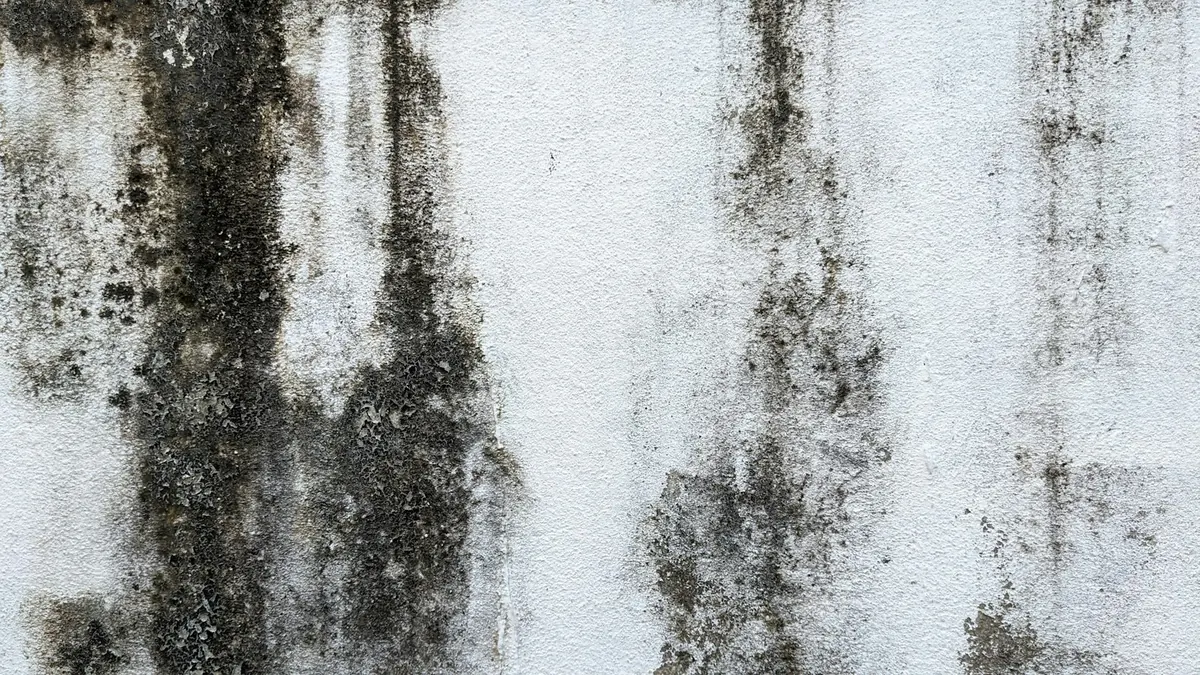
Mold removal includes locating the moisture source, isolating the affected area, discarding what is not cleanable and drying the remaining material.
Related types of work include mold abatement, mold remediation, mold mitigation and mold cleanup. The scope should address visible mold growth, damp materials and the water intrusion or humidity problem behind them.
Local humidity and housing, along with access to your property, can influence mold cleanup planning, moisture control and containment.
Since renters make up 59 percent of occupied homes in 92806, you should record where water entered and notify the owner in writing before cleanup covers the evidence.
Housing around the 1972 median may include enclosed cavities and older insulation, which can hold moisture and expand the area that needs mold removal.
Only 40 percent of housing in 92806 is single-family, so shared walls, ceilings, and plumbing deserve attention when a leak wets more than one unit.
A 22 percent share of seniors living alone means some households may benefit from help checking attics, crawl spaces, or rooms that are rarely entered.
Select a service from the list, or call for guidance when you do not know which page applies to your property.
Mold remediation is the process of containing, removing and cleaning mold growth, then fixing the moisture problem that caused it.
See mold remediation
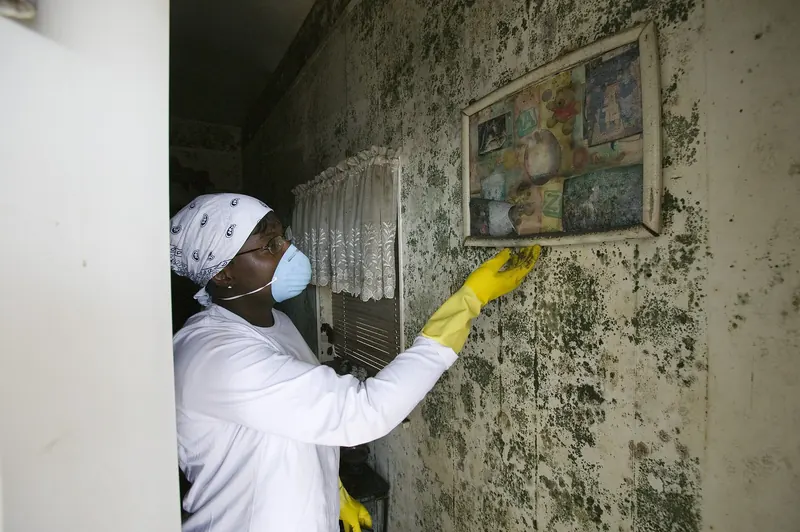
For black mold removal, the area around dark mold growth on drywall or wood is contained before affected material is removed.
See black mold removal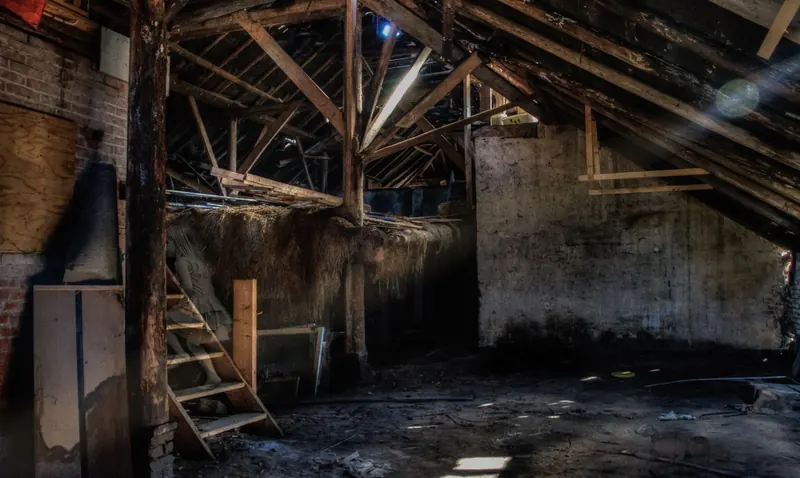
Attic mold removal clears growth from insulation, rafters and roof sheathing while identifying the underlying airflow issue or leak.
See attic mold removal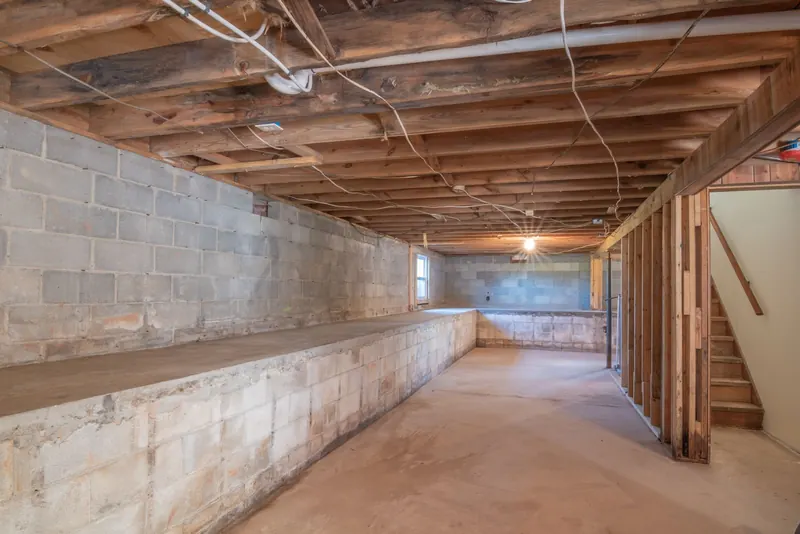
Basement mold removal addresses walls, framing, floors and stored items while correcting the damp conditions that support the growth.
See basement mold removal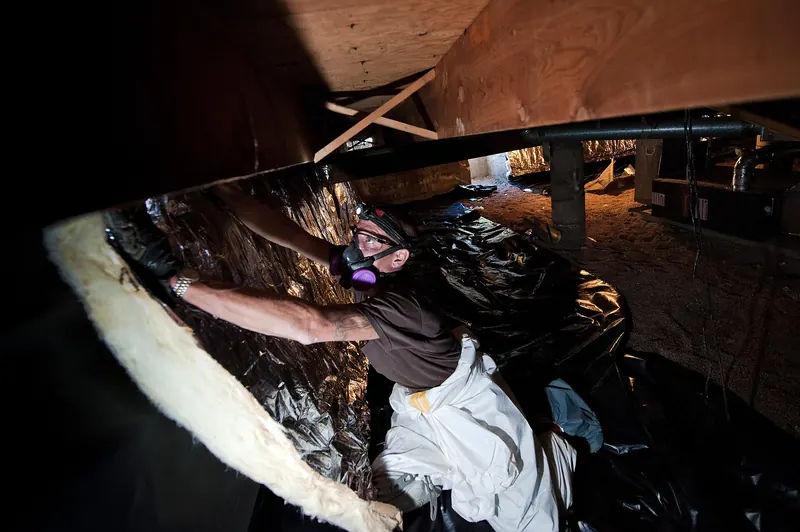
Under your home, crawl space mold removal cleans the subfloor, joists and insulation and deals with the moisture source.
See crawl space mold removal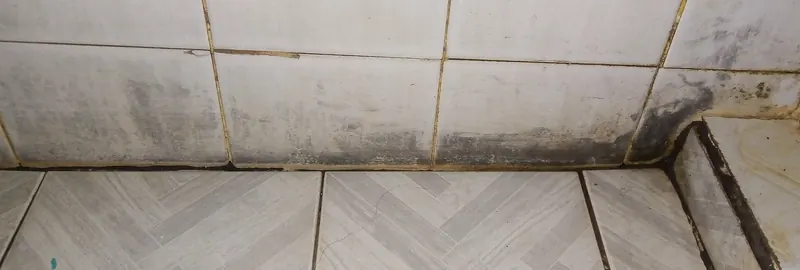
Bathroom mold removal cleans mold from ceilings, walls, grout and behind showers, and looks for leaks or poor ventilation.
See bathroom mold removal
Wall and drywall mold removal cuts out and replaces mold-damaged drywall and cleans the framing inside the wall.
See wall and drywall mold removal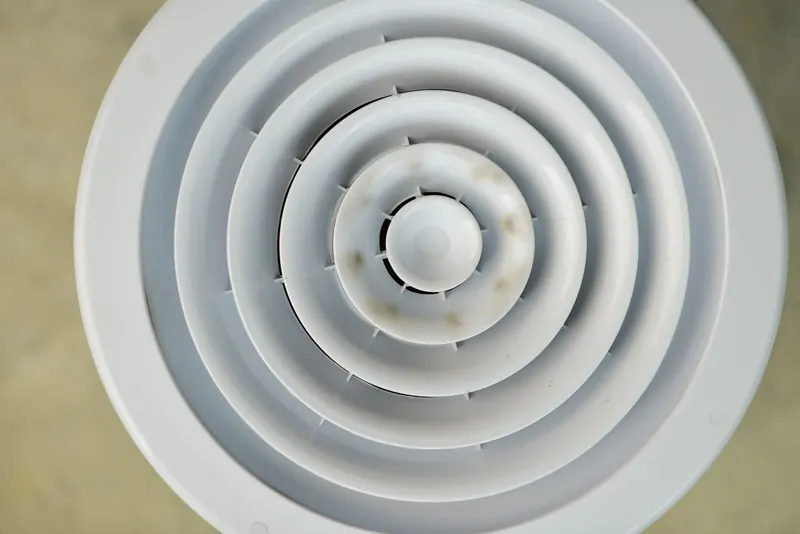
Air duct mold removal cleans HVAC drain pans, ductwork, vents and coils so the system no longer carries the growth.
See HVAC and air duct mold removal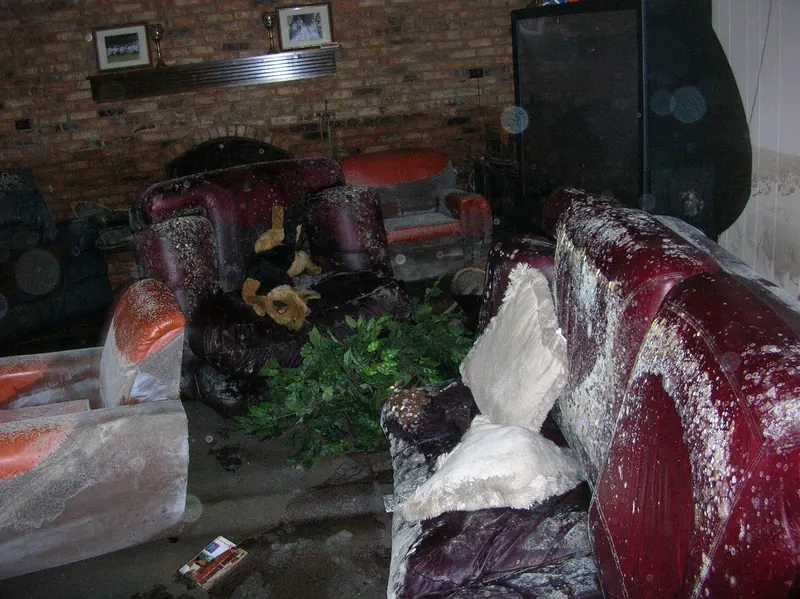
Water damage mold cleanup includes clearing growth caused by a flood or leak and drying the affected structure against a return.
See water damage mold cleanup
A mold inspection is combined with removal so workers can locate the growth before cleaning it away.
See mold inspection and removalA service link takes you to the nearest location page, with the main city page used if nothing closer is available.


When safe, stop the water, leave the growth undisturbed and save helpful records.
Call (844) 352-3560According to Fixr, the typical national mold remediation range is $1,500 to $9,000. It lists $10 to $30 per square foot for professional work on areas over about 10 square feet. Your cost changes with containment, drying, repairs, materials and the size of the affected area.
Your policy and the source of moisture determine insurance coverage. Long-term leaks, neglect and humidity often face exclusions or limits, while a sudden covered water event might qualify.
Under California's housing law, visible mold found by a health officer or code enforcement officer can make a rental substandard. Renters can contact their local health or code enforcement department to ask for an inspection.
California's Toxic Mold Protection Act includes a landlord written-disclosure section (Health and Safety Code 26147). By its own wording it applies only after the state adopts mold exposure standards, and the state health department has said it could not set them.
Ask about coverage for the water event and any mold sublimit, then document what an insurance claim requires before material removal.

Phone at any hour. Ask a mold cleanup specialist to walk you through the process ahead.
Because work on affected materials may spread dust and mold spores to clean rooms, the area needs containment.
People use black mold and toxic mold as search terms. Mold risk cannot be judged by color, the CDC says.
Some people experience triggered allergy and asthma symptoms around mold. CDC guidance says those with lung disease, weak immune systems or asthma face more risk.
Pulling up carpet and cutting into drywall may release particles. Movement is limited using negative air pressure and HEPA filtration.
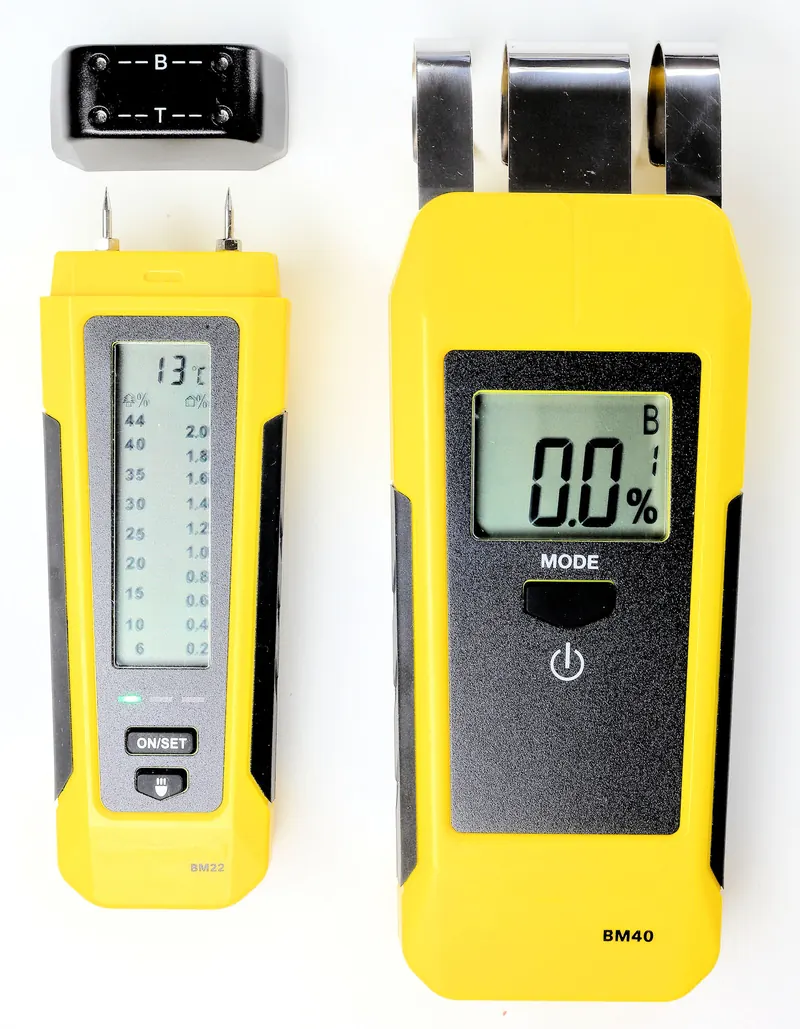
Even when the surface appears dry, moisture may remain in insulation, subfloor or framing. Use moisture readings to determine the affected area.
When post-remediation verification is appropriate, use an independent assessor so the removal business does not evaluate its own work.
The scope should identify containment, affected materials, cleanup, drying, repairs and factors that can change the price.
Ask what will identify and correct the source of a leak, humidity or condensation.
Assessment starts the mold remediation steps, which continue through containment removal, cleanup, drying and a last check.
A moisture meter helps locate affected materials and the moisture source, with a thermal imaging camera added when useful.
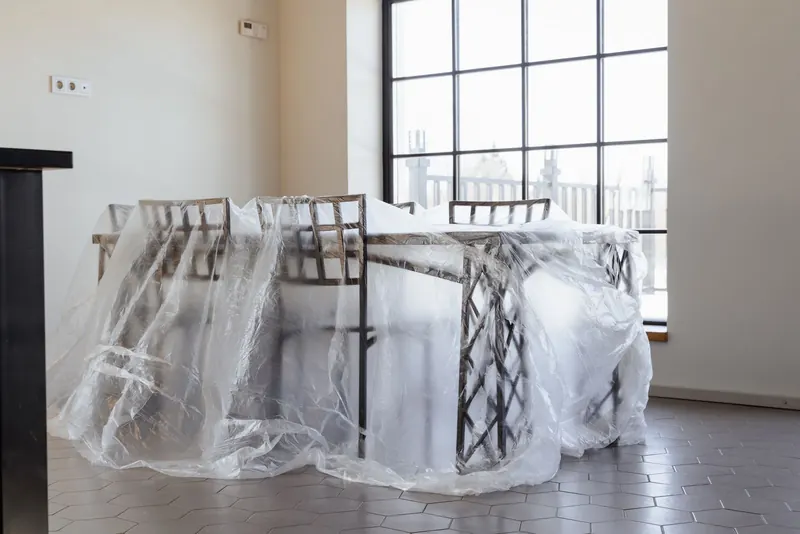
Poly sheeting is used to build a containment barrier. To restrict particles entering clean rooms, negative air pressure pairs with a HEPA air scrubber, which is an air filtration device.
Protective equipment is worn by workers. Drywall removal could be necessary, along with demolition of other damaged porous materials.
Remaining non-porous surfaces are cleaned through damp wiping and use of a HEPA vacuum. Moisture readings inform the use of a dehumidifier and air movers during drying.
For post-remediation verification, an independent assessor might use a visual check, air sampling or clearance testing.
Isolation for the work area can use negative air pressure along with plastic sheeting. Access to shared walls, ventilation or plumbing may have to be arranged by a property manager.
Who is responsible varies based on local rules, the moisture source and the lease. Keep photographs, document the growth and leak in a written report, and ask your insurer and the property owner which terms apply.
The starting point is limited to published ranges for the nation. Price is shaped by the affected area, material types, containment and drying, plus the repair required so you can stop the moisture source.
Once the source of water has been located, planning for cleanup can start. The remediation scope, containment requirements and access to the property guide what happens next.
Calls are answered 24 hours a day. The property assessment and access needs can be discussed during your call.
You can reach someone by phone 24 hours a day, even on holidays and weekends.