
Emergency Mold Removal
A crew can begin helping soon through emergency mold removal if growth appears after a leak or flood and cannot wait.
See emergency mold removalIf a leak or flood leaves mold, cleanup means removing affected material, surface cleaning and structural drying. Call any hour when an area stays wet or growth becomes visible.
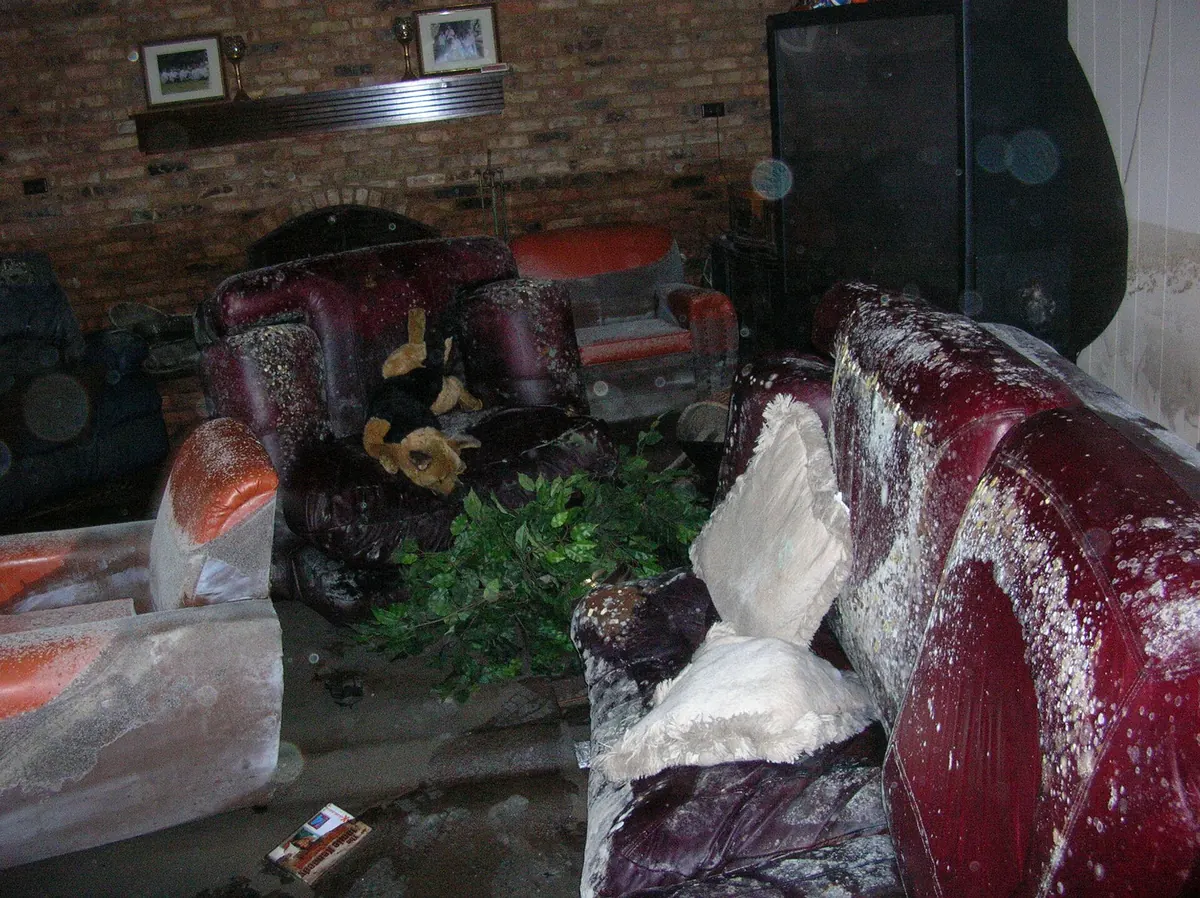
Mold, moisture and water-damaged materials are addressed during cleanup. The job may call for containment and extraction, followed by removal, cleaning and structural drying.
Before opening any surface, moisture mapping shows how far the water traveled. A clear work scope should list which materials are damaged and who is responsible for each task.
Category 1 water starts out as water from a clean supply. Water in category 2 is more contaminated, with category 3 being heavily contaminated. Contaminated flood water and sewage require help from a professional.

Barriers, air pressure and debris movement should be explained in the plan.
Use a separate assessor, not the removal company, to conduct clearance testing.
The plan should list materials, removal limits, repairs, cleaning and drying.
Request details on identifying the affected area and leak.
When water reaches concealed spaces, materials remain wet or growth appears, you should act.
Water may travel through wall cavities and beneath floors. Beyond the visible stain, moisture mapping establishes the removal limits.
Species and risk cannot be determined by dark color. CDC says decisions should focus on moisture, area and material.
You should inspect a high reading, visible stain or musty odor. Thermal imaging can guide further checks, but it does not identify mold.
A supply-water leak can wet both drywall and subfloor. Moisture readings after water extraction can identify damp material below the surface.
Record the loss, restrict access and stop the source if you can do it safely.
Call (844) 352-3560Fixr lists $2,700 to $10,000 for combined water and mold damage. Your property quote cannot be determined from these national guide figures.
These ranges come from published national cost guides, not from a site visit. Before work begins, you should get an explanation of the property price determined through an on-site assessment.
Ask about cost: (844) 352-3560Coverage varies according to the cause and your policy terms. A sudden and accidental incident may qualify. Neglected upkeep and long-term leakage are commonly excluded.
California's Toxic Mold Protection Act includes a landlord written-disclosure section (Health and Safety Code 26147). By its own wording it applies only after the state adopts mold exposure standards, and the state health department has said it could not set them. Your records should include the scope, moisture readings, photos, invoices and clearance results.
A burst pipe may be treated differently from a slow leak or condensation.
Report the event promptly. Check your mold coverage limits and ask what records the insurance adjuster needs.
Under California's housing law, visible mold found by a health officer or code enforcement officer can make a rental substandard. Renters can contact their local health or code enforcement department to ask for an inspection. Keep a record of the leak through photos, messages and repair requests.
Source control comes first. Containment and cleanup follow, then the drying is confirmed.
Visible growth, water paths and affected materials are recorded. Thermal imaging may guide moisture readings.
Remove standing water only after confirming safety. First, correct the leak or water intrusion.
To protect occupied rooms from dust, use negative air pressure along with a containment barrier.
Wet drywall, wet carpet and insulation may need removal. Sound surfaces receive HEPA vacuum cleaning.
During the drying process, air movers and dehumidifiers help remove moisture. Moisture readings track drying progress.
Cleaning is followed by final checks. Choose an independent assessor to conduct clearance testing.

Call any hour. Talk with a water damage mold cleanup specialist about what you are seeing and the steps ahead.
Damage can spread through contaminated water, hidden wet areas and demolition.
Cutting into drywall creates dust. A HEPA air scrubber, poly sheeting and negative air pressure help contain dust.
A dry surface can conceal wet framing. A moisture meter guides drying.
Category 2 and category 3 water change removal, protective equipment and debris control.
Allergy and asthma symptoms can be triggered by mold. Risk is higher for people who have asthma, lung disease or weak immune systems.
Can you clean it yourself? EPA says homeowners can often clean areas under about 10 square feet after correcting the water problem. Professional help is appropriate for larger areas, HVAC involvement, sewage or contaminated water.
Clean, dry hard surfaces may be kept. Disposal may be necessary for porous materials with growth embedded inside.

Your timing is shaped by the drying goals, repairs, removal, access, affected square feet and water category. Setting the schedule requires an inspection first.
A musty smell may be a sign of damp material. It cannot determine a mold type, so moisture mapping is used to find the source.
According to EPA, indoor relative humidity should stay below 60 percent and ideally between 30 to 50 percent. A dehumidifier cannot replace leak repair or removal of wet material.

California has no state license or certification for mold assessors or remediators, according to the California Department of Public Health. General construction work above a small dollar amount does need a license from the Contractors State License Board (CSLB), so it is worth checking a contractor's license there and asking about their mold training. Check the permit requirements for plumbing work, demolition and rebuilding.
To prevent mold growth, dry items and areas damaged by water within 24 to 48 hours.
The federal government has no limit for levels of mold indoors. Give priority to moisture and conditions you can see.
The California Department of Public Health (CDPH) Air Quality Section publishes mold and dampness guidance and a mold FAQ. CDPH says visible mold, dampness, and mold odor are unhealthy and should be fixed, and that routine mold testing is not needed when mold is visible. Find out what requirements apply to your property and planned repairs.
Water Damage Mold Cleanup is available across the city and surrounding communities.
A crew can begin helping soon through emergency mold removal if growth appears after a leak or flood and cannot wait.
See emergency mold removal
Hidden mold remediation locates and clears hidden mold behind wall surfaces, beneath flooring and over ceilings where it is out of view.
See hidden mold remediation (behind walls)
With mold damage restoration, mold is removed first, then affected drywall, floors, insulation and other materials are fixed or replaced.
See mold damage restoration
Workers first use a mold inspection to find the affected areas and then remove and clean the growth.
See mold inspection and removal
Damaged wallboard is cut away during drywall mold removal, the interior framing is cleaned and new material replaces what was removed.
See wall and drywall mold removal
Flood and storm mold cleanup clears growth following heavy rain, floodwater or storm damage, including affected flooring and wet drywall.
See flood and storm mold cleanup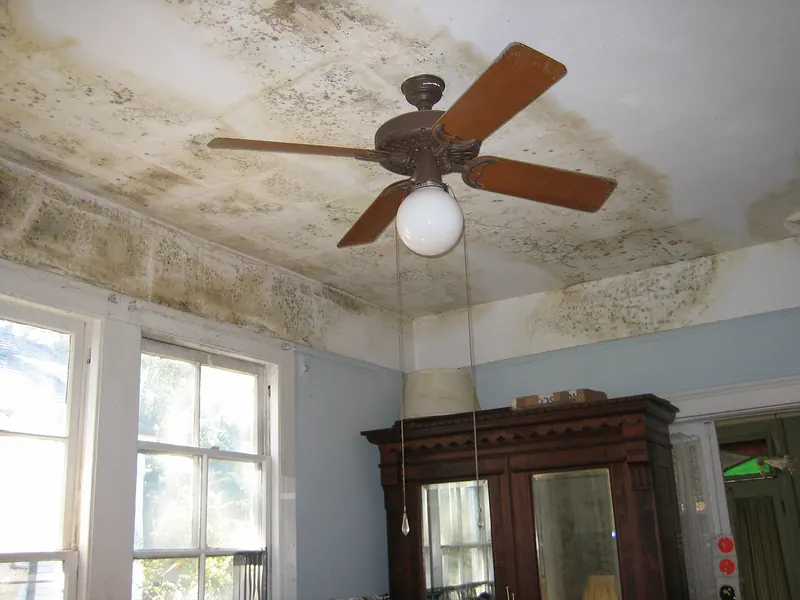
After the leak source is identified, mold is cleaned from every ceiling, wall and attic space reached by a roof leak.
See mold after a roof leak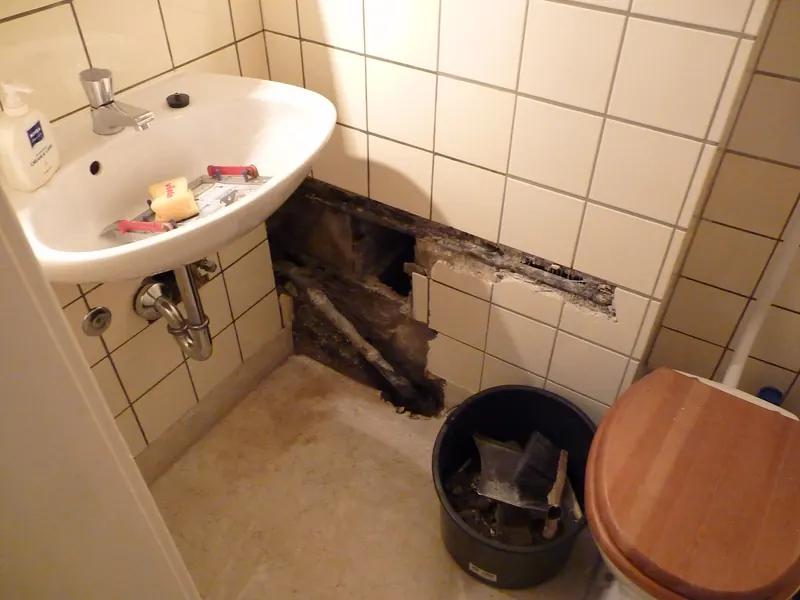
Mold after a plumbing leak is removed from walls, floors and cabinets that stayed wet after a burst pipe or slow drip.
See mold after a plumbing leak or burst pipeSeveral colors of spots, patches and fuzzy growth may be visible. You might see water stains, peeling paint and swelling from dampness even when those signs do not establish mold. How risky mold is cannot be determined from color. Check the moisture source and affected material instead.
Every building follows a different timeline. You must consider temperature along with material and humidity. Drying water-damaged areas and belongings within 24 to 48 hours to prevent mold growth is advised by EPA. This supports prompt drying. It does not mean mold always begins at one exact hour.
Promptly begin safe drying after you stop the source and remove standing water. Take moisture readings in spaces that cannot be seen. Dispose of materials when drying is not possible. Keep indoor relative humidity below 60 percent. Verified drying and a repaired leak are more important than deodorizer or surface paint.
A dark color identifies neither the species nor a greater level of danger. Color is not an indicator of possible mold risk, CDC guidance says. Leave substantial growth undisturbed. Base removal decisions on the moisture source, affected area, material, contamination and people who may be exposed.
Insurance coverage varies by cause and policy. Mold following a covered sudden and accidental water event may qualify. Common exclusions include long-term leaks and problems caused by maintenance. Ask about mold coverage limits and whether damaged materials must remain for the insurance adjuster to inspect.
Once the water problem is corrected, EPA says people who own or rent the home can often clean an area under about 10 square feet. Get professional help if the job includes sewage, contaminated water, hidden wet materials, HVAC involvement, larger growth or extensive damage.
Calls about water damage mold cleanup are answered 24 hours a day, so you can receive clear and practical guidance.