Mold Removal in 90073, Los Angeles
You can call about visible mold, a musty odor, leaks and moisture damage in ZIP 90073.
- Moisture source checked
- Homes and rentals
- Calls answered 24/7
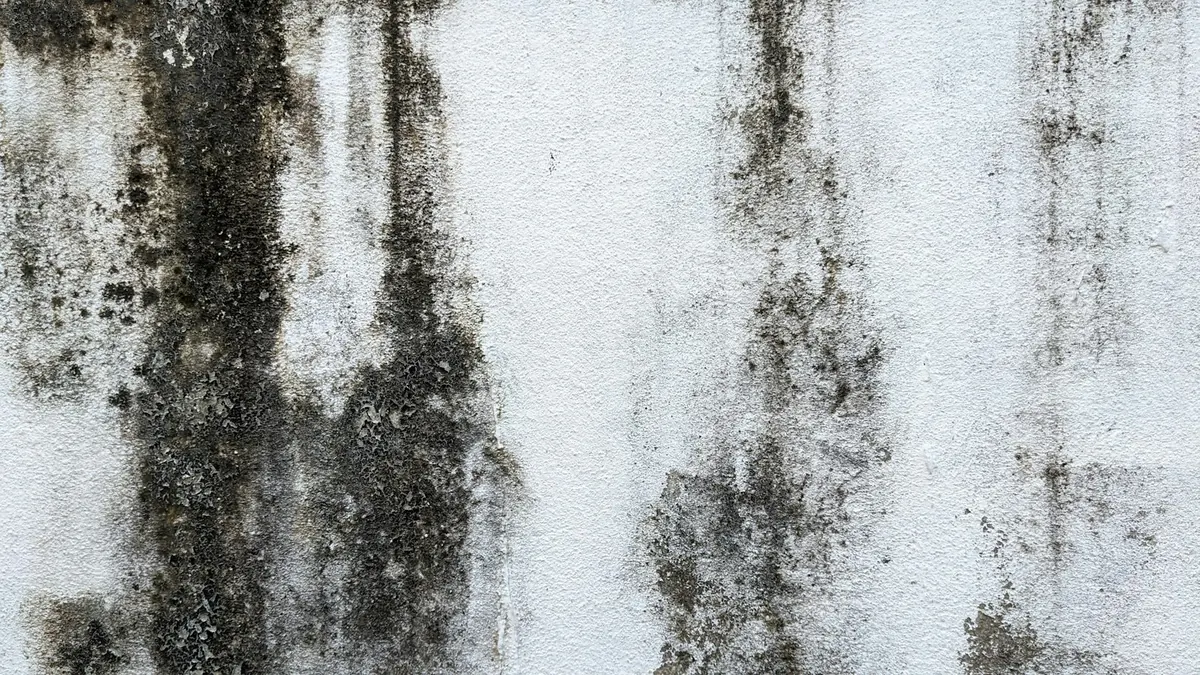
Los Angeles Mold Removal: What the Work Covers
During mold removal, the affected area is contained, the moisture source is located, uncleanable material is removed and retained material is dried.
Related work goes by names including mold cleanup, mold remediation, mold mitigation and mold abatement. The scope should address visible mold growth, damp materials and the water intrusion or humidity problem behind them.
Porous materials such as drywall, ceiling tile and carpet sometimes require disposal. Many non-porous surfaces can be cleaned and dried.
Local Mold Removal Conditions in ZIP 90073
Area housing statistics describe local housing, without showing what condition your property is in. Use assessment findings to organize access, records and repairs for moisture problems.
Census ACS 2024 5-year (tables B01003, B25003, B25035, B09021 and B25024). Area estimates do not establish conditions at an individual property.
In 90073, renters occupy 100 percent of occupied housing units. Keep dated photos of the affected area and a record of the repair and cleanup scope.
Visible mold shows where to begin, but a musty odor or damp material in the next room can point to growth hidden behind finished surfaces.
Find 44 Mold Abatement Services Across Los Angeles 90073
When you select a service, the closest location page opens unless only the main city page is available.
Core Mold Removal Services
Mold Removal by Area of the Home
- Basement Mold Removal
- Garage Mold Removal
- Insulation Mold Removal
- Ceiling Mold Removal
- HVAC and Air Duct Mold Removal
- Closet Mold Removal
- Floor and Subfloor Mold Removal
- Crawl Space Mold Removal
- Kitchen Mold Removal
- Bathroom Mold Removal
- Crawl Space Encapsulation
- Attic Mold Removal
- Wall and Drywall Mold Removal
- Wood Framing Mold Removal (Joists, Studs, Rafters)
Mold Removal by Moisture Cause
Mold Removal by Property Type
Mold Removal Methods
Mold Inspection and Testing
Mold Removal Cost Guide
Before You Use Mold Remediation Services for a Property in 90073
Keep useful documentation, do not disturb growth and stop water when you can safely do so.
Call (844) 352-3560- Stop the water safely. Arrange repairs or turn off the fixture that leaks. Stay away from standing water and wet electrical equipment.
- Limit access. Keep the door closed when possible. Keep pets and children clear of any growth you can see.
- Avoid spreading particles. Containment is necessary before you brush, scrape or sand mold. Turn off HVAC equipment that may contain mold.
- Photograph the damage. Keep a record of visible growth, damaged belongings and the leak before anything is moved. Ask the insurer which records it needs.
Your Guide to Mold Removal Cost in 90073, CA
For mold remediation nationwide, Fixr gives a typical range of $1,500 to $9,000. For areas larger than about 10 square feet, it gives a professional rate of $10 to $30 per square foot. Containment, drying, repairs and the affected area with its materials all influence your price.
Typical National Mold Remediation Range
$1,500 to $9,000Source: Fixr, Mold Remediation Cost (checked 2026-10-23)Areas Larger Than About 10 Square Feet: Professional Rate
Per Square Foot: $10 to $30Source: Fixr, Mold Remediation Cost (checked 2026-10-23)Typical Inspection: Two Samples Plus Laboratory Testing
$450 to $800Source: Fixr, Mold Inspection Cost (checked 2026-10-23)Does Insurance Cover Mold Removal in 90073? Who Pays?
The cause of moisture and policy terms shape insurance coverage. Coverage may apply to a sudden covered water event, while exclusions or limits commonly affect prolonged leaks, neglect and humidity.
Renters and Landlords in Los Angeles County
Under California's housing law, visible mold found by a health officer or code enforcement officer can make a rental substandard. Renters can contact their local health or code enforcement department to ask for an inspection.
Property Disclosures
California's Toxic Mold Protection Act includes a landlord written-disclosure section (Health and Safety Code 26147). By its own wording it applies only after the state adopts mold exposure standards, and the state health department has said it could not set them.
Homeowners Insurance and Mold Removal
Ask whether the water event is covered, whether a mold sublimit applies and what an insurance claim needs before materials are removed.

Looking for a Mold Removal Service in 90073?
Phone at any hour. A mold cleanup specialist can explain the next steps.
Safe Mold Removal for Properties in Greater Los Angeles
Containment matters because disturbing affected materials can move mold spores and dust into clean rooms.
Some People Face More Risk
Allergy symptoms or asthma symptoms can be triggered by mold in some people. The CDC identifies greater risk for people with lung disease, asthma or weakened immune systems.
Hidden Materials Can Stay Damp
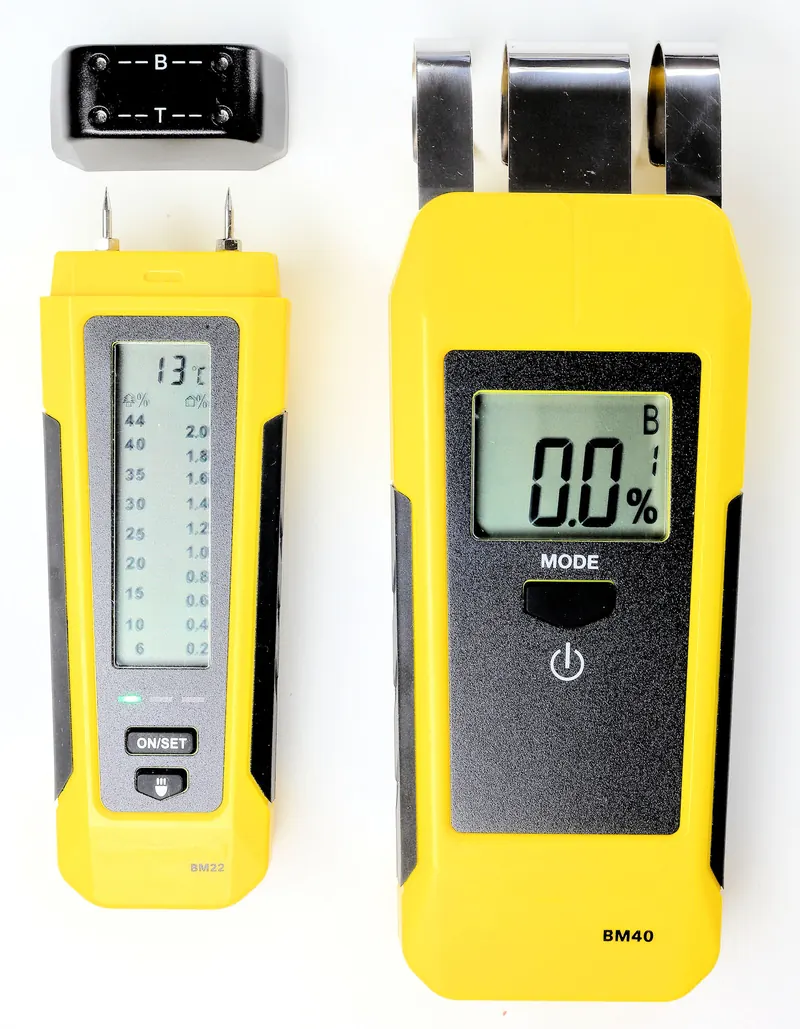
Wet insulation, subfloor or framing can persist beneath a surface that appears dry. The affected area can be identified using moisture readings.
Color Does Not Measure Risk
The phrases black mold and toxic mold serve as search terms. Mold color cannot tell you the level of risk, according to the CDC.
Mold Spores Can Spread
Pulling up carpet or cutting into drywall can loosen particles. HEPA filtration works with negative air pressure to restrict movement.
How to Choose a Mold Remediation Company in Los Angeles
Start With the Moisture Source
Ask about locating and resolving the problem, whether a leak, humidity or condensation.
Use Independent Clearance Testing
If post-remediation verification is needed, an independent assessor avoids having the removal company check its own work.
Ask for a Clear Scope of Work
Your scope should specify affected materials and containment, plus cleaning, drying, repairs and possible reasons for price changes.
Greater Los Angeles Mold Remediation Process: From Assessment to Completion
The mold remediation steps begin with area assessment, followed by containment, damaged material removal, cleaning, drying and verification, with containment removed last.
Mold Inspection and Moisture Mapping
A moisture meter helps locate the moisture source and affected materials, with a thermal imaging camera used when helpful.
Containment and Air Filtration
A containment barrier uses poly sheeting. Negative air pressure and a HEPA air scrubber, an air filtration device, limit particles moving into clean rooms.
Removal of Damaged Materials
Workers wear protective equipment. Damaged porous materials may require demolition, including drywall removal.
Surface Cleaning and Drying
Cleaning the remaining non-porous surfaces uses a HEPA vacuum alongside damp wiping. Air movers, a dehumidifier and moisture readings guide drying.
Final Cleaning and Verification
For post-remediation verification, an independent assessor may check visually, carry out air sampling or perform clearance testing.
California Mold Cleanup: Can You Do the Work Yourself?
The EPA says an area under about 10 square feet can often be cleaned by the occupant after fixing the water problem. Contaminated water or HVAC involvement calls for a professional, as do larger areas.
Questions to Set the Work Scope
Your assessment should separate cleanup from moisture repairs and rebuilding. Before agreeing to work, ask what the price includes and what you must arrange separately. Use the same questions when comparing scopes so that a lower figure does not hide missing work.
Before paying for sampling, ask what question the result will answer and how it would change the next step. Visible growth and damp materials still need attention even when no sample is taken. If testing is part of the scope, ask where samples will be collected, who will interpret them and what limitations the report will explain. A result from one place and time does not describe every room or every future condition. EPA guidance notes that there is no federal limit for mold levels indoors. Keep the report with the assessment and repair records so that any follow-up decision can refer to the same documented findings.
- Ask which rooms and materials need assessment, whether adjoining spaces need access and who can authorize any opening of walls or ceilings.
- Record who will repair the leak or other moisture source. Ask how the cleanup schedule depends on that repair and on drying.
- Ask whether the scope includes disposal, replacement materials and rebuilding. Keep those tasks separate from cleaning when discussing the price.
- Confirm the completion checks before work starts. Ask who will document cleaning and drying, whether independent testing is specified and when containment can come down.
Common Questions About Mold Removal in 90073
Can mold cleanup be contained in an apartment or condo?
Isolation for the work area can use negative air pressure along with plastic sheeting. A property manager may need to arrange access to shared walls, plumbing or ventilation.
How is payment responsibility for mold removal in a rental decided?
The lease, local rules and where the moisture came from determine responsibility. Notify the property owner in writing about the leak and growth, save photos and check with both the owner and your insurer about what applies.
Which factors set the cost of mold remediation?
Published national ranges are only a starting point. The price depends on the affected area, materials, containment, drying and the repair needed to stop the moisture source.
What factors shape mold cleanup planning?
The cleanup can enter its planning stage when the water source has been identified. Property access, the remediation scope and containment needs shape the next steps.
Can I call at night or on a weekend?
Phone calls are answered across all 24 hours. During your call, you can talk through access needs and the property assessment.
Speak With Mold Removal Professionals Serving 90073
Someone answers calls around the clock, including during holidays and on weekends, 24 hours a day.